
A living archive of Fires of Alchemy.
I spent years working inside hospitals, community health, mental health, and telehealth settings — watching people move through crisis, recovery, and reinvention. I've had my own run-ins with mental health too, so this has never been purely professional territory for me.
What I kept noticing was that the things causing the most suffering were almost entirely preventable. Not easy to change — but not mysterious either. We have decades of solid research into why people fall into certain patterns, and increasingly good evidence on how to move through them.
The Scrolls are where that knowledge lives. Neuroscience, psychology, lived experience — the research layer and the practised layer, held together. It's the same body of knowledge that underpins the tarot work, the courses, and everything else Fires of Alchemy produces.
Begin wherever you feel pulled. 📜
— Nick 🔥
Recent Posts:
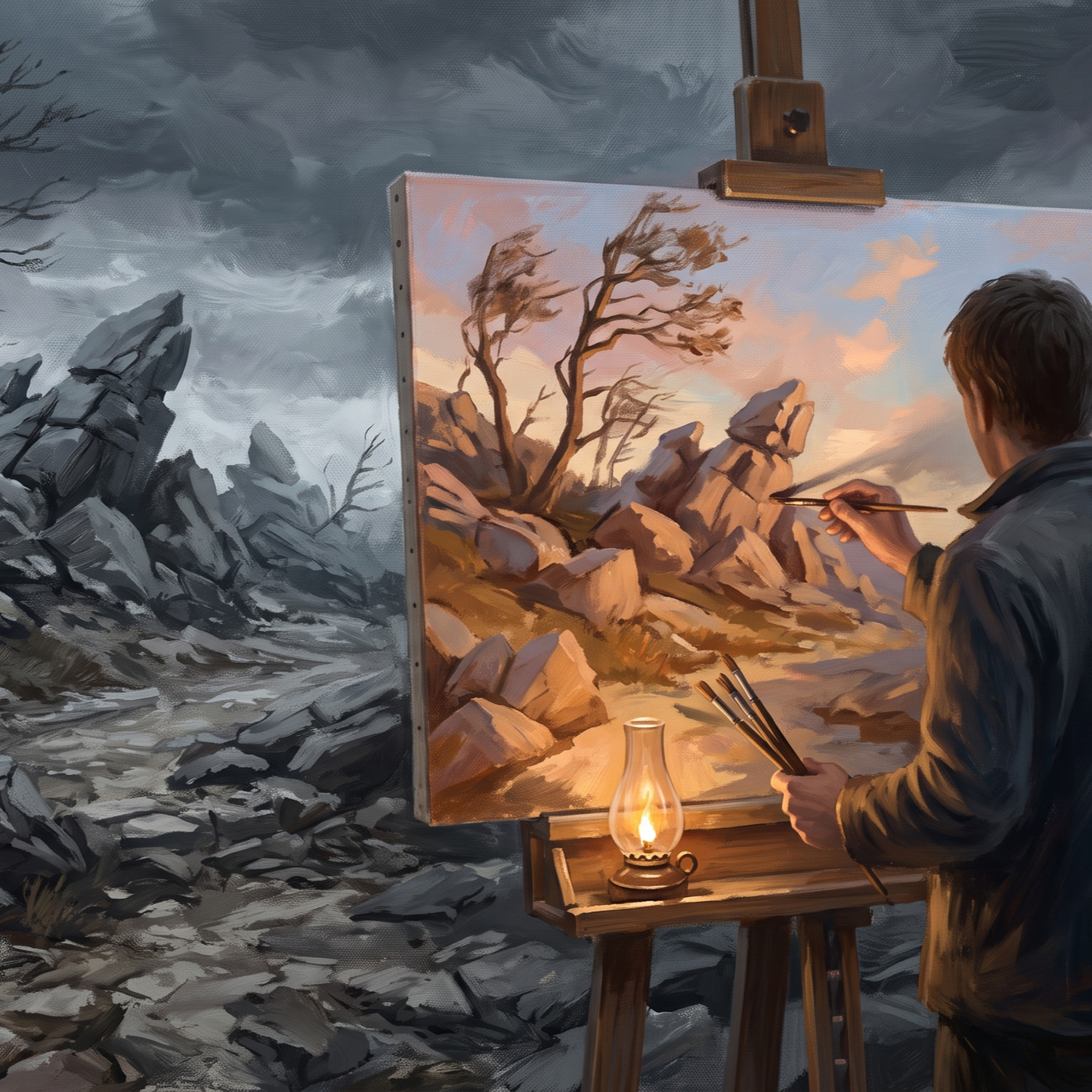
You don’t find your will to live, you build it 🧱
There's a finding in psychological research that's easy to read past the first time, because it sounds almost too tidy to be true. People who can find redemptive meaning in their own suffering, who can build a life story where the hard chapters lead somewhere rather than just happening to them, consistently show higher levels of mental health, wellbeing, and maturity than people who can't. It isn't a self-help slogan. It's a measured, replicated finding in the psychology of identity, and it raises an uncomfortable question if your own life doesn't feel like it adds up yet. This post looks at why that gap exists, the unspoken cultural template most of us are quietly measured against, and what decades of research into narrative identity actually say about turning a scattered, non-linear past into something coherent, including a personal account of using this exact process to work through a lifetime of suicidal ideation, addiction, and burnout, alongside practical, research-backed ways to start mapping your own story, and a clear note on when that work belongs in a therapist's office rather than a journal.
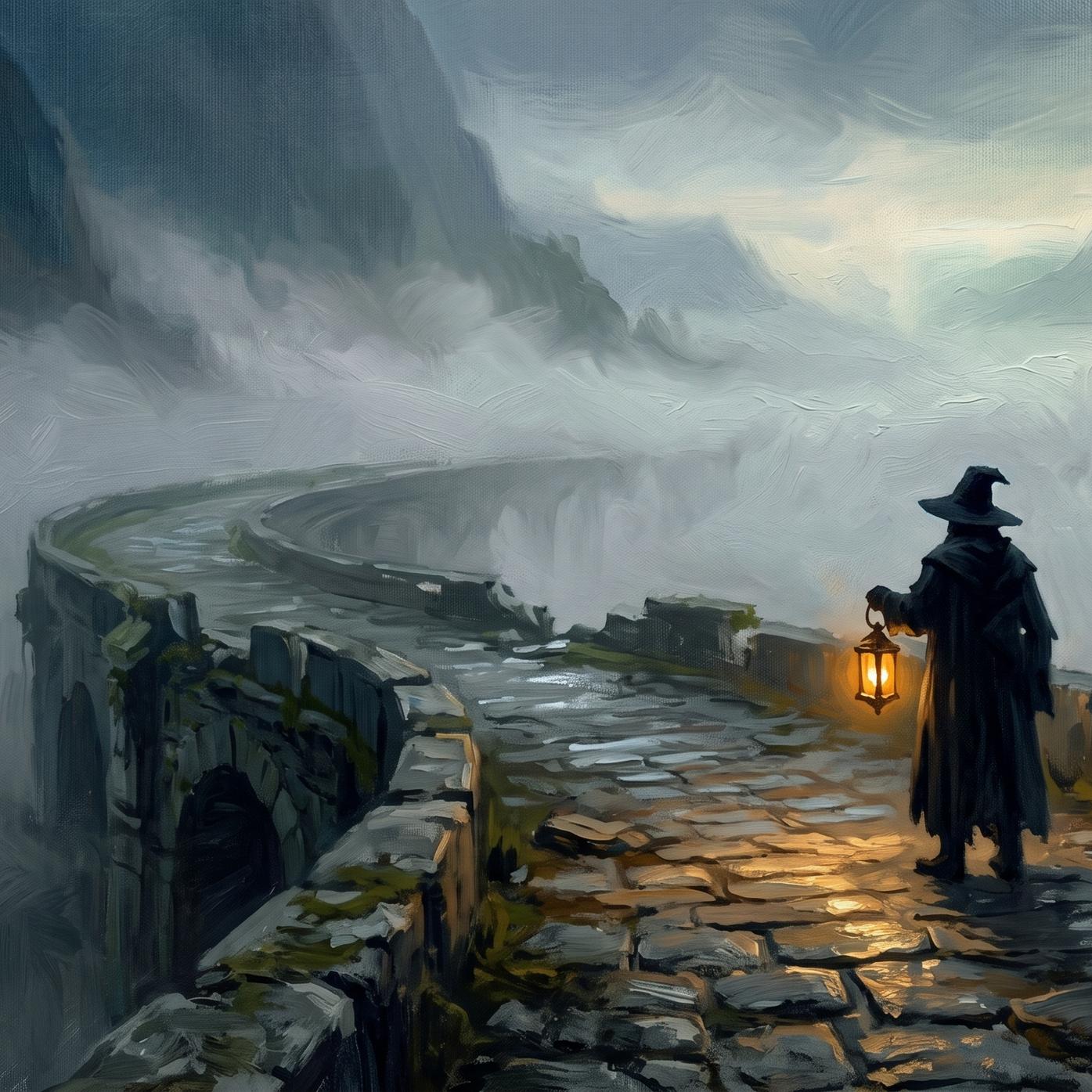
It’s Not All Black & White: 🦛 Thinking in Greyscale
Why does your brain default to "all-or-nothing" categories when you're stressed? In this deep dive, we explore the neurobiology of "splitting," the high metabolic cost of complexity, and how to use the theatrical principle of "Yes, And" to build your ambiguity muscle. Learn why reclaiming the grey is the ultimate act of spiritual sovereignty in an age of digital polarisation.
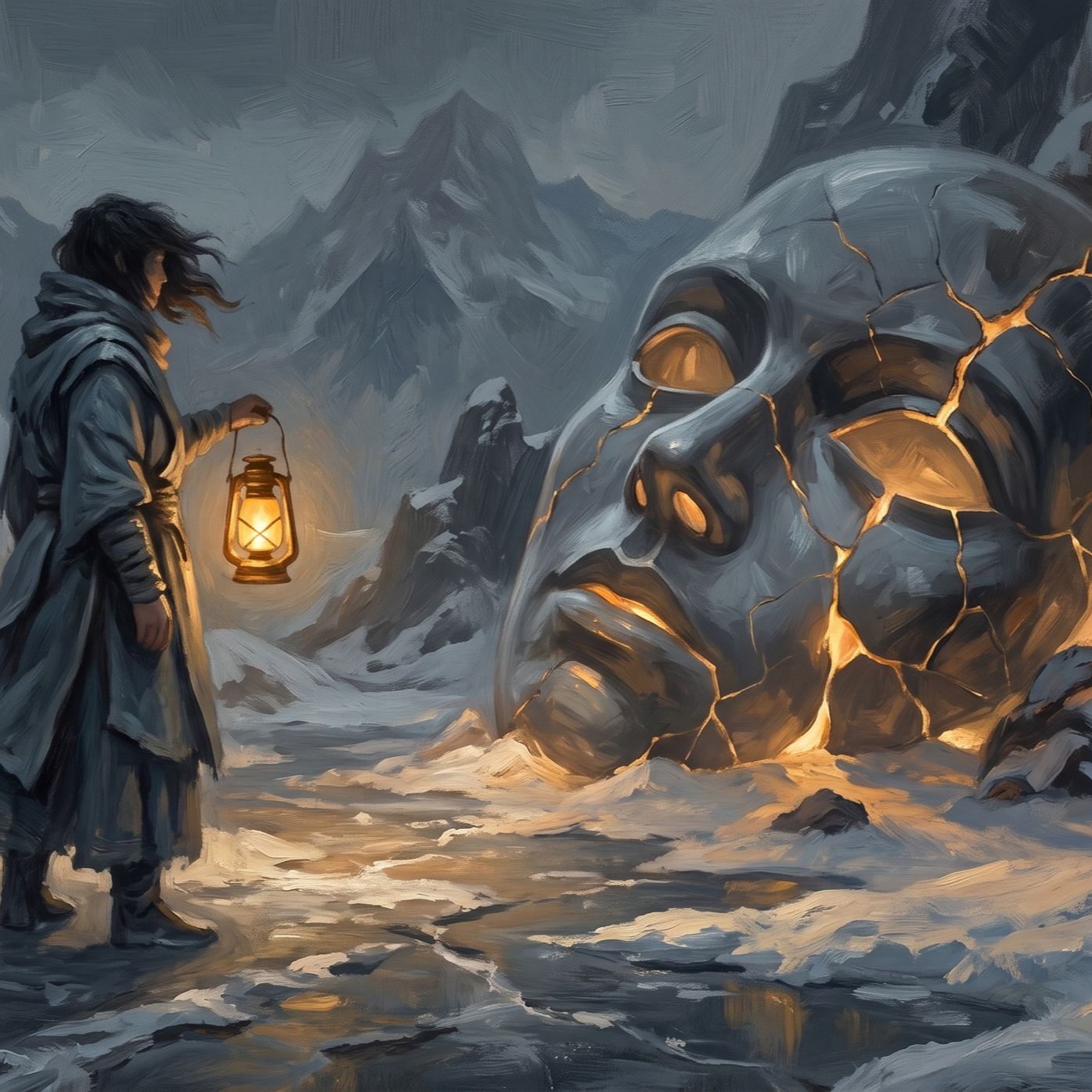
Cracked Timelines: 🕰️ Ego Death and Reclaiming Your Self
Stuck in the wrong life? Explore the neuroscience of ego dissolution and why your body forces a 'mask-drop' to reclaim authorship over your story.
Discover the neuroscience of the Default Mode Network and cognitive dissonance. Learn why 'rock bottom' is a biological phase transition to a truer timeline.
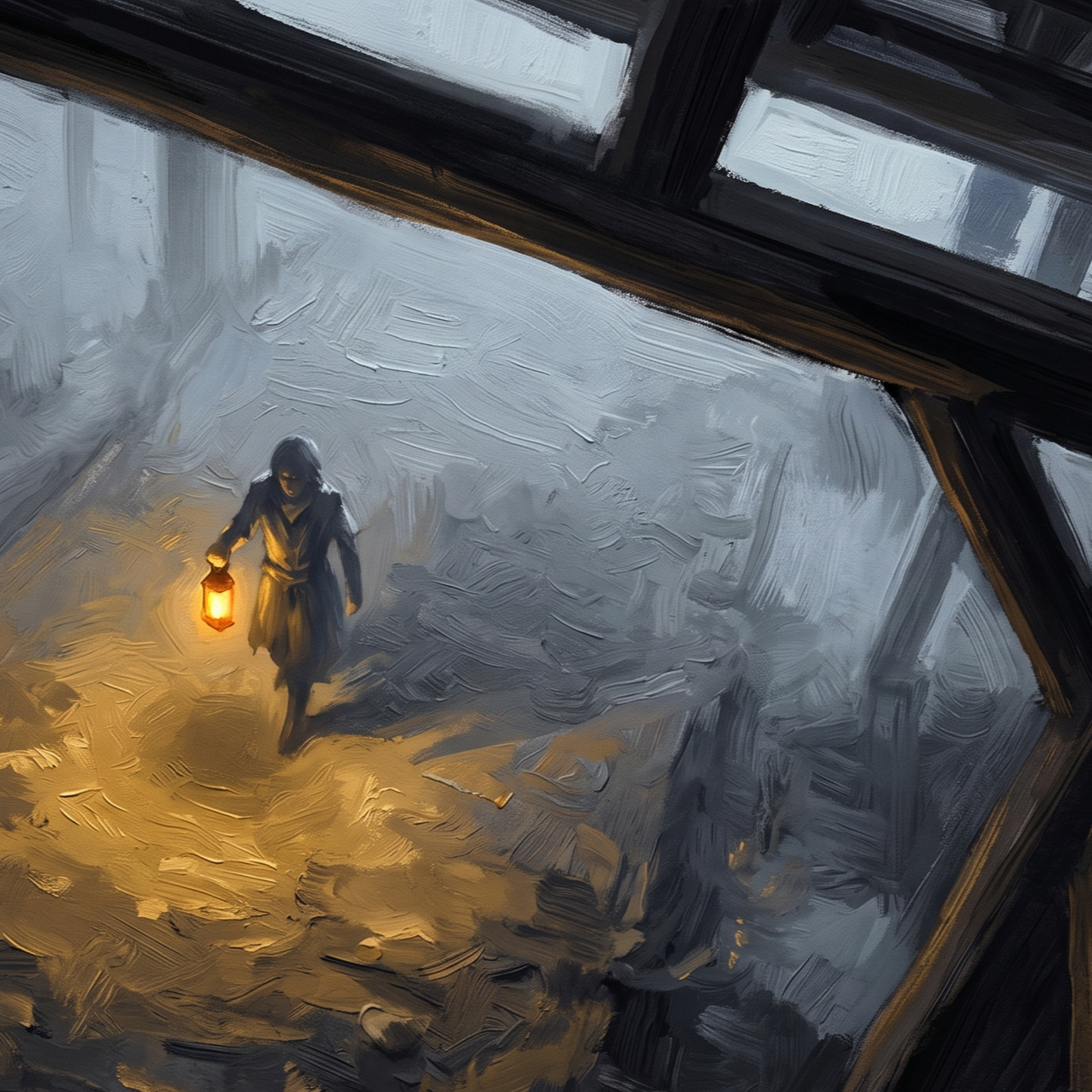
Metacognition Is All You Need: 🌁 The View from the Rafters
Learn to step out of the reactive loop and into the rafters. This deep dive examines the neurobiology of metacognition and the societal 'brain drain' designed to keep your consciousness on autopilot. Discover how to transform hyper-vigilance into a navigational superpower and start authoring a timeline that actually fits.


🕵️ Chapter 1: The Roots of Fear and Anxiety


🥹 Chapter 2: Recognising & Feeling Patterns

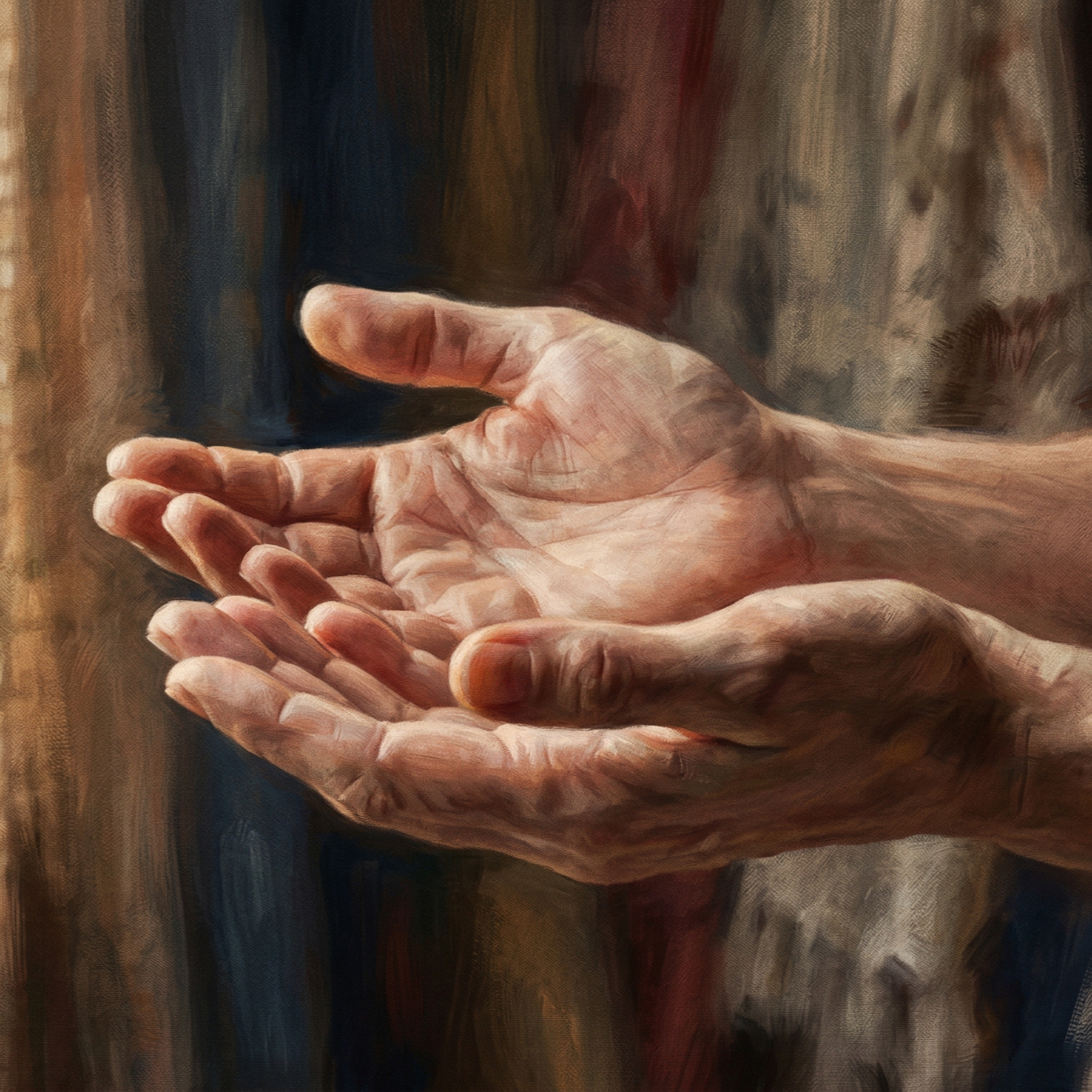

🏋️ Chapter 3: Reconnecting Mind & Body
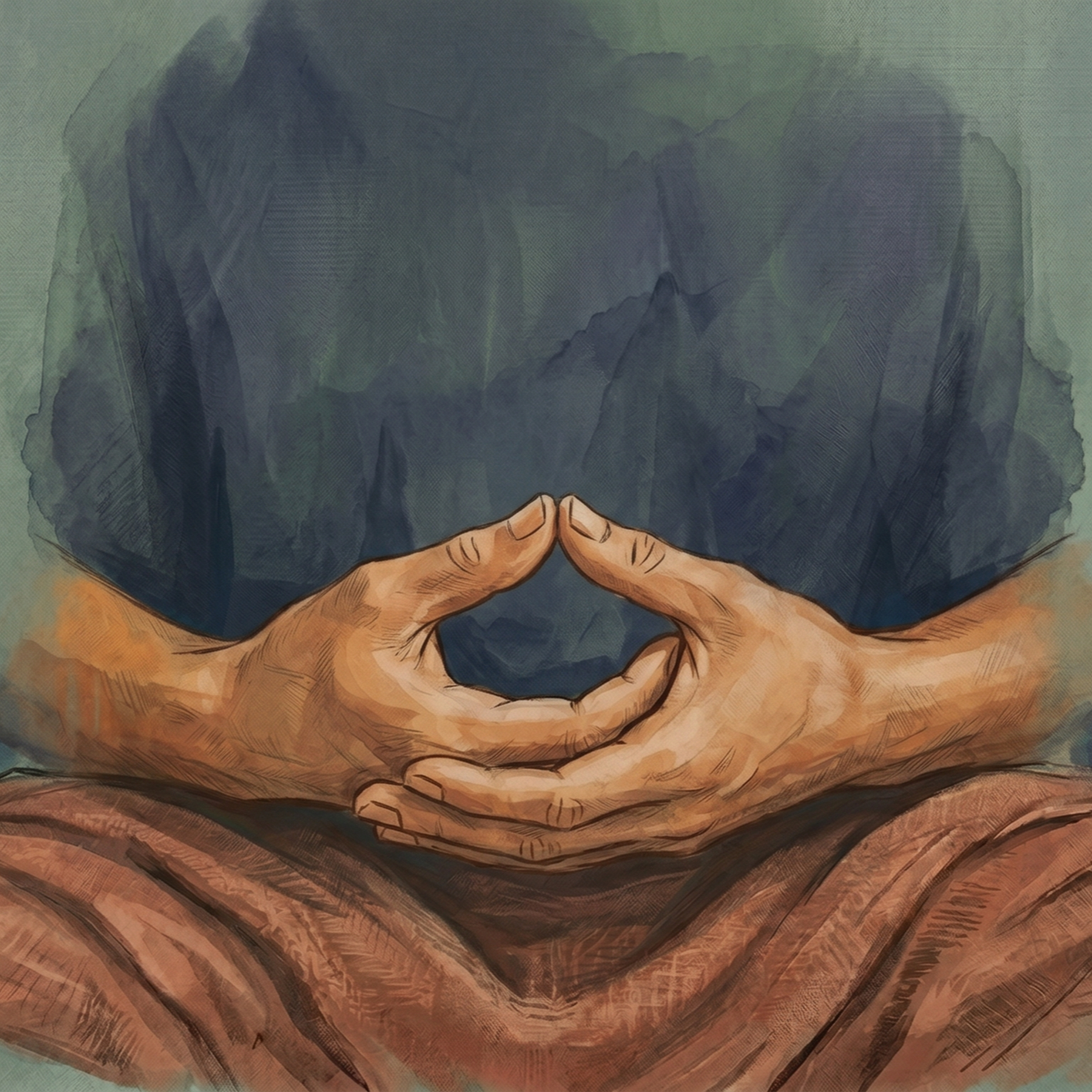


🎮 Chapter 4: Technology, AI & External Support


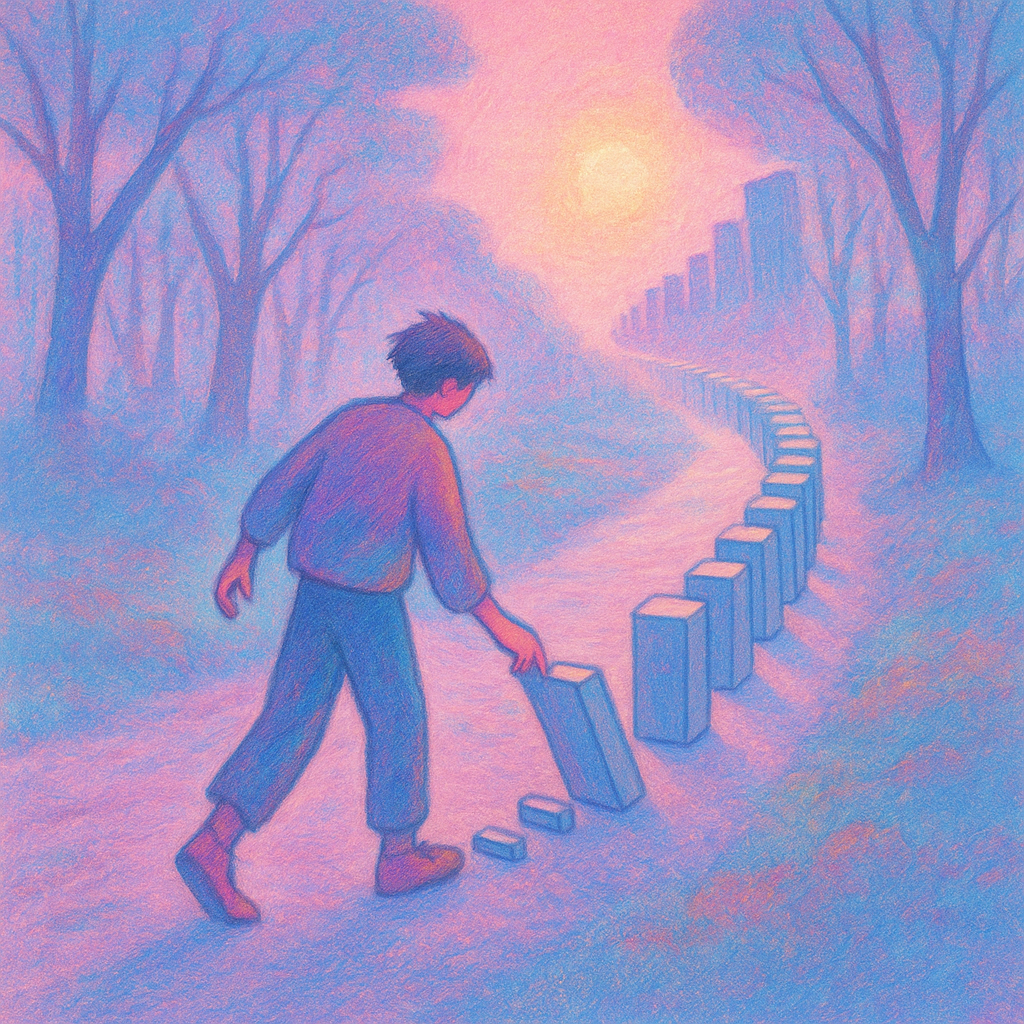

🙏 Chapter 5: Tuning Into Intuition & A Higher Calling
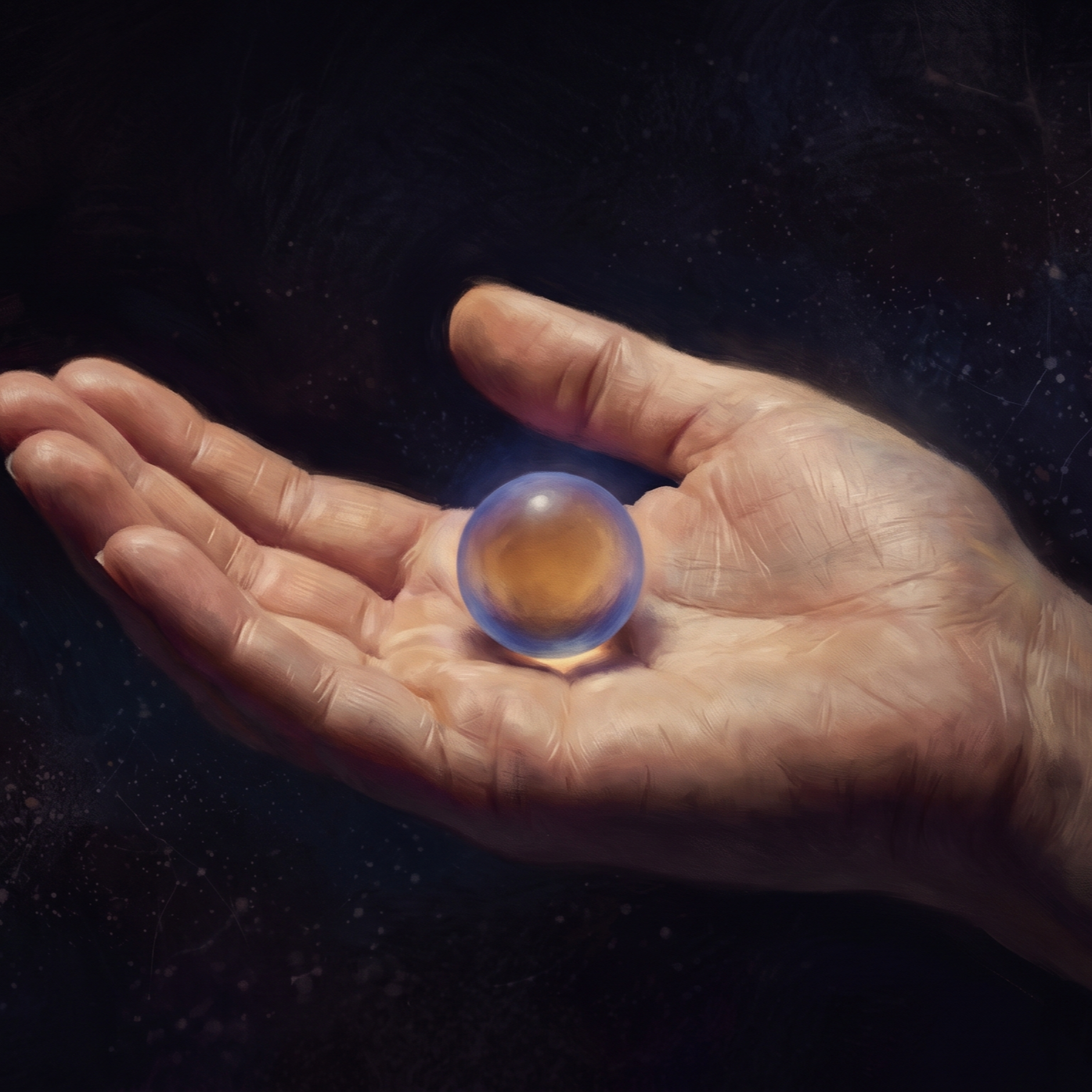


📰 Chapter 6: Zooming Out to the Bigger Picture
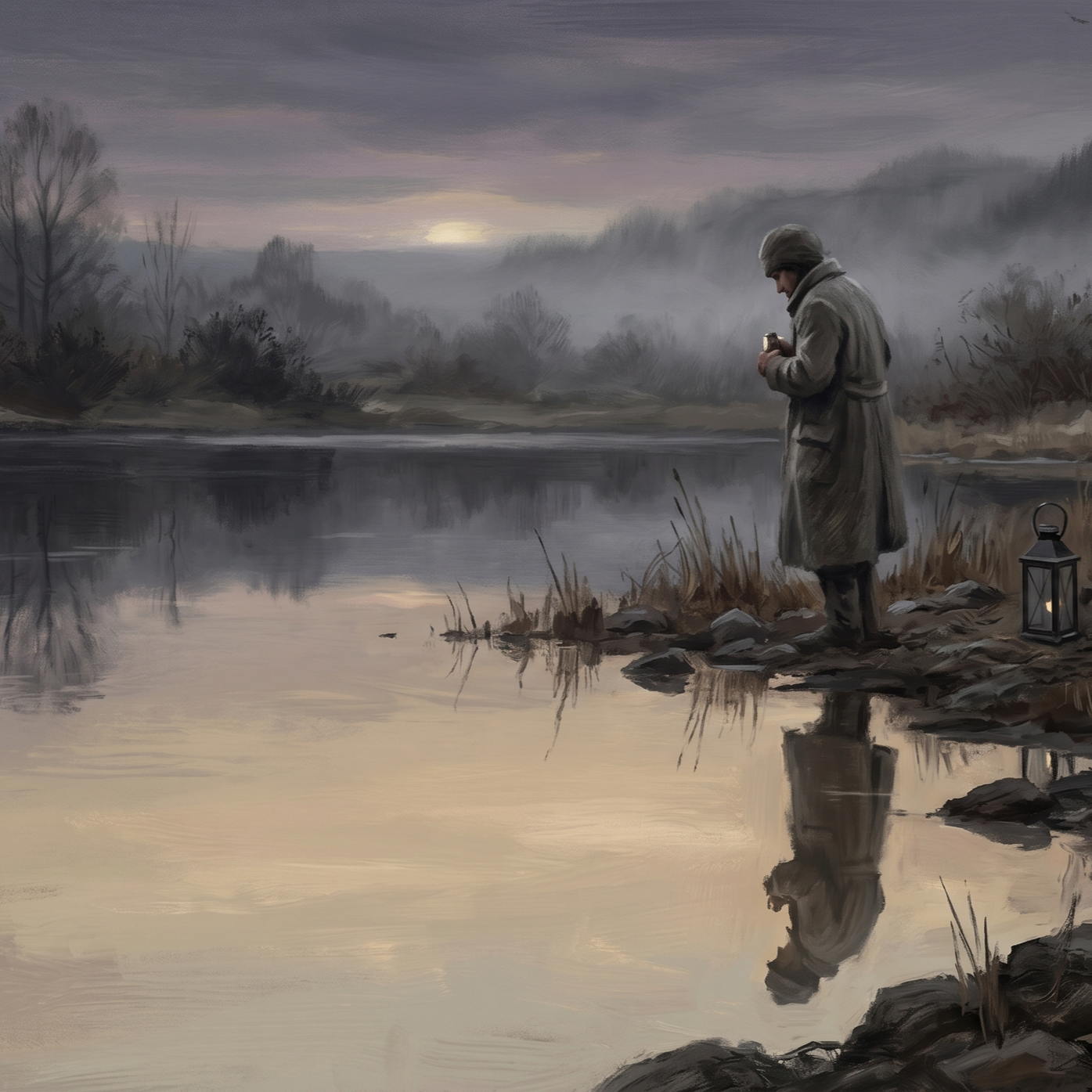


🧑🌾Chapter 7: The Creative Rebellion & Alternative Systems 🎭
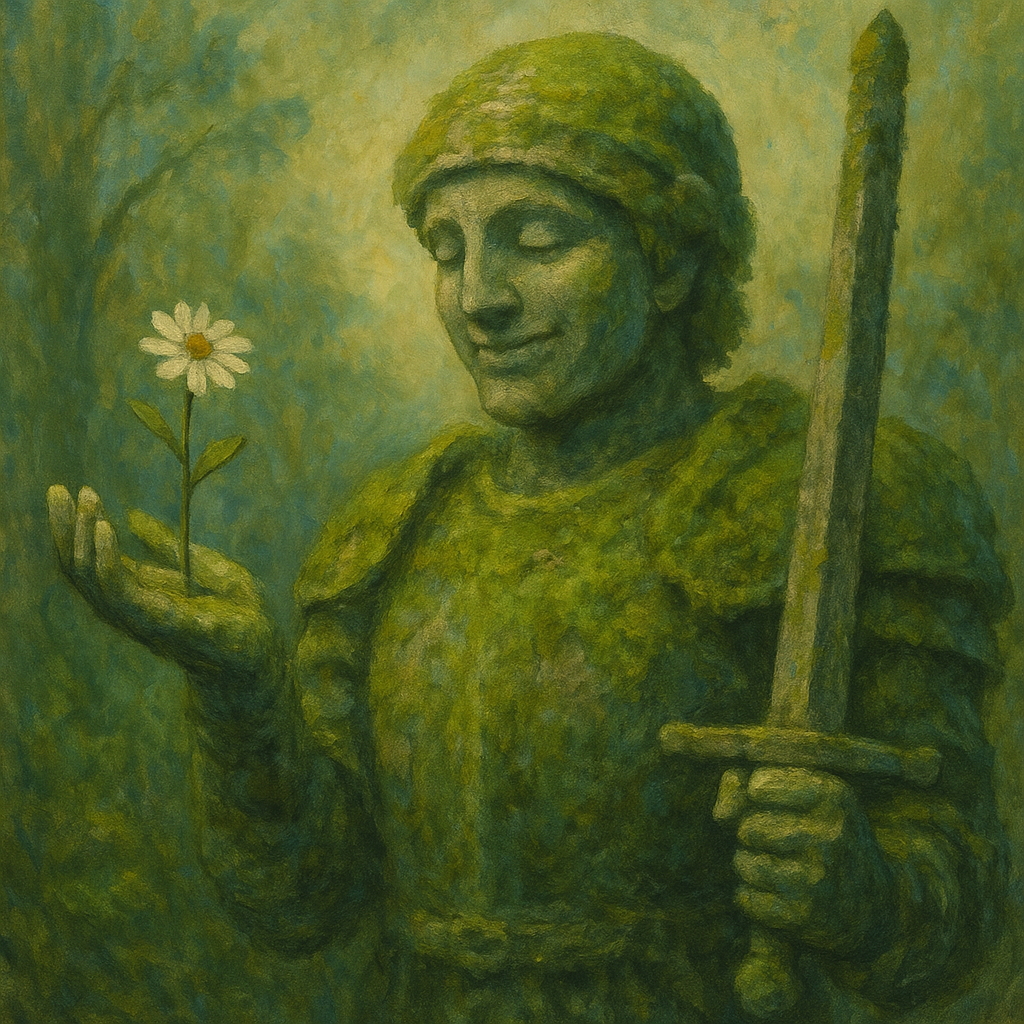
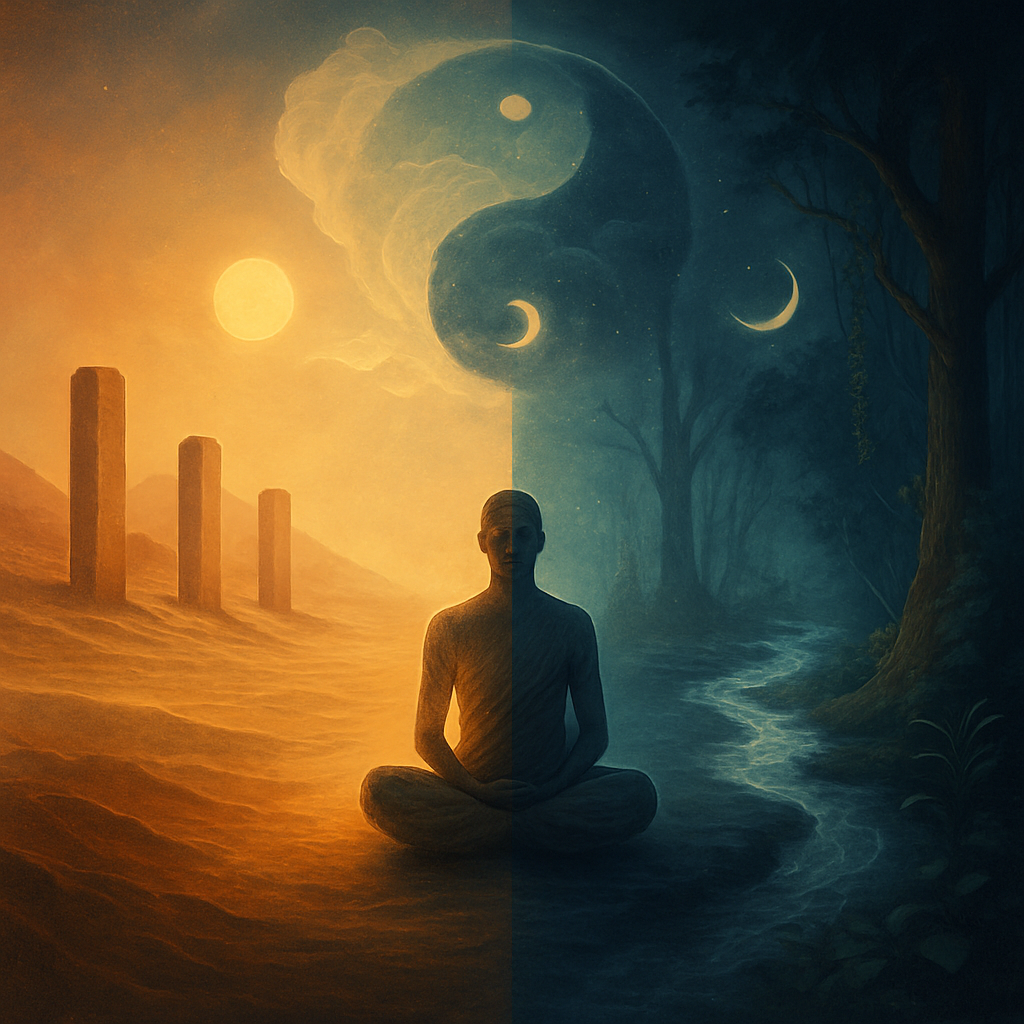

There's a person coming in for some of you, and they're not just going to love you. They are going to remind you what it looks like when spirit moves through a human being.
Hi angels 🕊️
There's a person coming in for some of you, and they're not just going to love you. They are going to remind you what it looks like when spirit moves through a human being.
You've done a lot of your healing in hermit mode. You've probably levelled up your discernment, learned the hard way what red flags feel like, and built some solid walls in the process. This reading is about what happens next: the partnership that gives you room to keep healing, but with someone beside you this time.
This reading may be for you if:
🌹 You've been single for a while after doing deep inner work
💛 You're carrying old wounds from a partner who made you feel lonely or unsupported
⚡ You keep scanning for threats in new connections because of what happened before
🌀 You're starting to wonder if there are actually good people out there
🕊️ You feel more spiritually aligned than ever and want a partner who gets that
🧡 You've met someone recently and something about them just feels... different
Themes in this reading:
🌀 Sacral chakra healing through partnership, not in isolation
🌹 The spirit that works through people who don't need to be seen doing it
⚡ Bright, high-energy, grounding presence (the yellow thread)
🦋 Balancing masculine and feminine in a relationship
🪞 Recognising your person by how they make you feel, not just how they look
💛 Knowing when it's time to walk away to make space for something better
🌩️ Spirit can't be seen directly. You see it through what it moves in other people.
~
🃏 Book a Personal Reading with Nick
~
📱 Build your own Tarot Reading App (Free Course)
~
🪷 14-Day Unblock Your Life Kickstart (Free)
~~~~~
For more insight into my style of readings, the history of tarot and more - see my post below:
https://www.firesofalchemy.com/blog/tarot🃏
---
Support my work including future readings and expanding the FoA Multiverse 🤝
https://firesofalchemy.com/support
—
Disclaimer: readings are provided for entertainment and personal insight purposes. Readings are not predictions of the future. This is not medical, financial or legal advice. Always use discernment to feel intuitively if the message resonates with you, leave it behind if you're trying to make it fit your situation for too long.
~
💫 🏕️