
A living archive of Fires of Alchemy.
I spent years working inside hospitals, community health, mental health, and telehealth settings — watching people move through crisis, recovery, and reinvention. I've had my own run-ins with mental health too, so this has never been purely professional territory for me.
What I kept noticing was that the things causing the most suffering were almost entirely preventable. Not easy to change — but not mysterious either. We have decades of solid research into why people fall into certain patterns, and increasingly good evidence on how to move through them.
The Scrolls are where that knowledge lives. Neuroscience, psychology, lived experience — the research layer and the practised layer, held together. It's the same body of knowledge that underpins the tarot work, the courses, and everything else Fires of Alchemy produces.
Begin wherever you feel pulled. 📜
— Nick 🔥
Recent Posts:

Wound to Weapon: 🗡️ The Cloak and Dagger of Traumatic Intelligence 🥷
What if your oldest scar is actually your greatest strength? We’ve been conditioned to view hypervigilance as a malfunction, but the reality is more complex: your nervous system forged a high-performance radar to ensure your survival. It’s an unintended upgrade with a heavy metabolic price. In this Scroll, we examine the "Achievement Machine" that mines your alertness for profit and provide a metacognitive map to help you take the knife out of the wound—transforming survival wisdom into a tactical weapon.
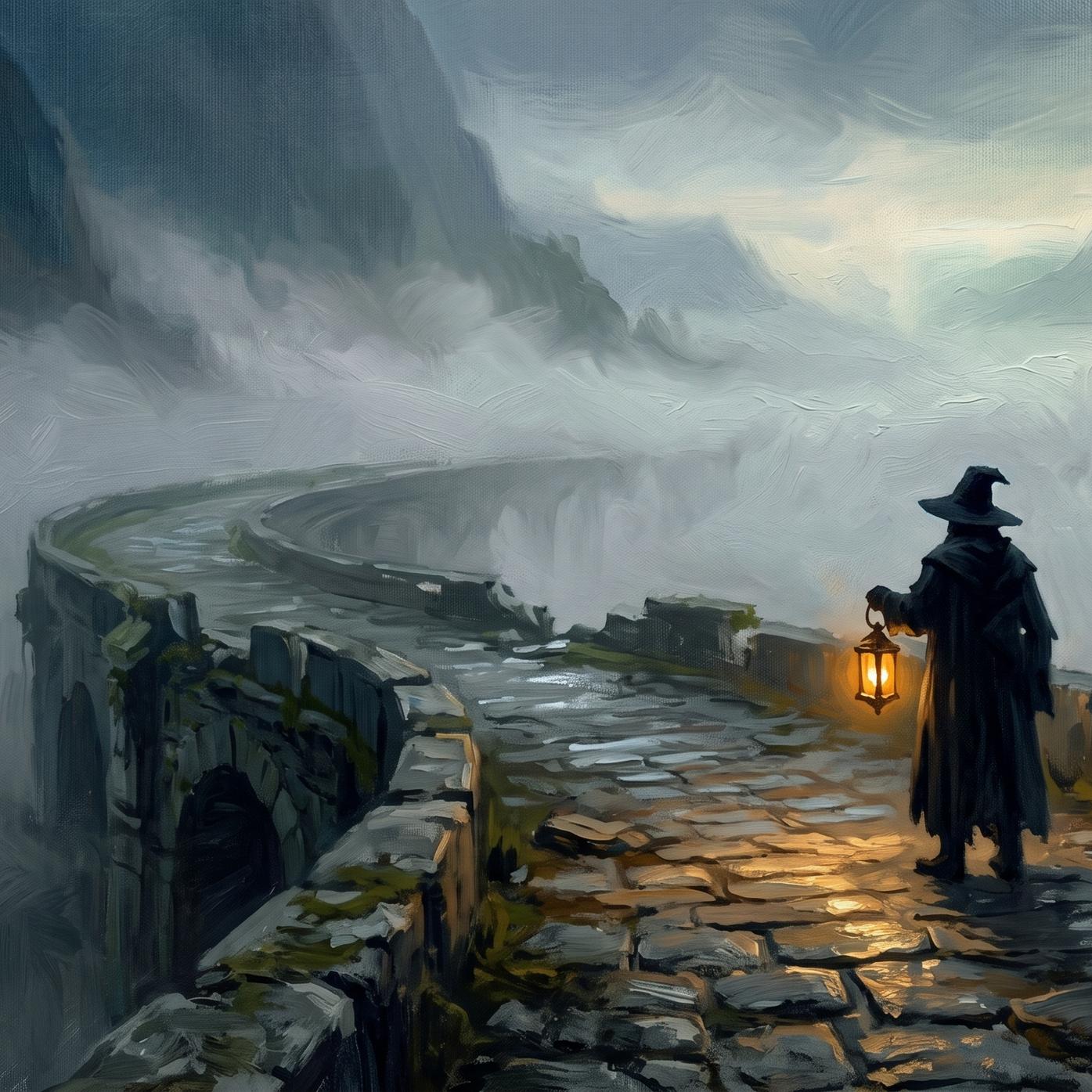
It’s Not All Black & White: 🦛 Thinking in Greyscale
Why does your brain default to "all-or-nothing" categories when you're stressed? In this deep dive, we explore the neurobiology of "splitting," the high metabolic cost of complexity, and how to use the theatrical principle of "Yes, And" to build your ambiguity muscle. Learn why reclaiming the grey is the ultimate act of spiritual sovereignty in an age of digital polarisation.
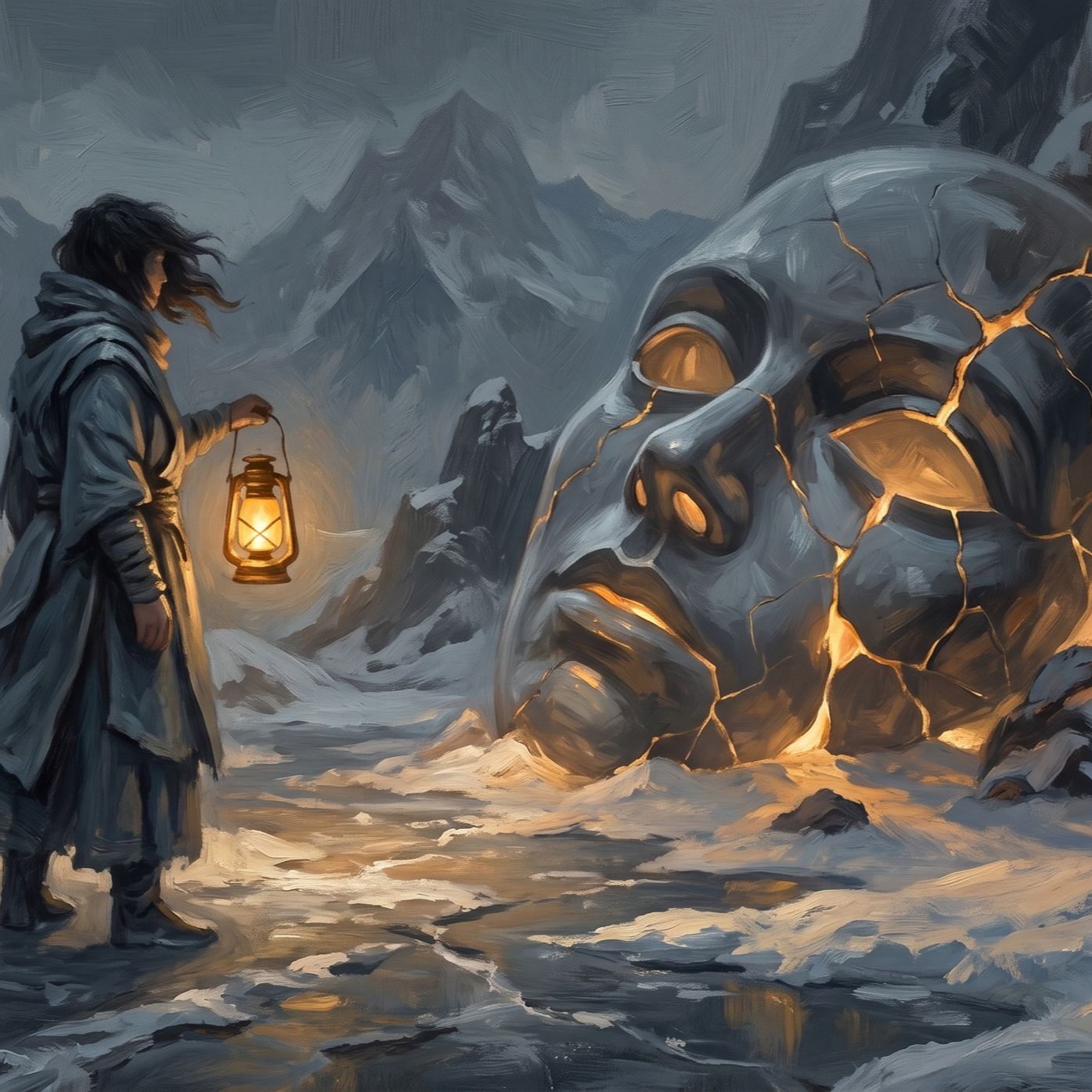
Cracked Timelines: 🕰️ Ego Death and Reclaiming Your Self
Stuck in the wrong life? Explore the neuroscience of ego dissolution and why your body forces a 'mask-drop' to reclaim authorship over your story.
Discover the neuroscience of the Default Mode Network and cognitive dissonance. Learn why 'rock bottom' is a biological phase transition to a truer timeline.
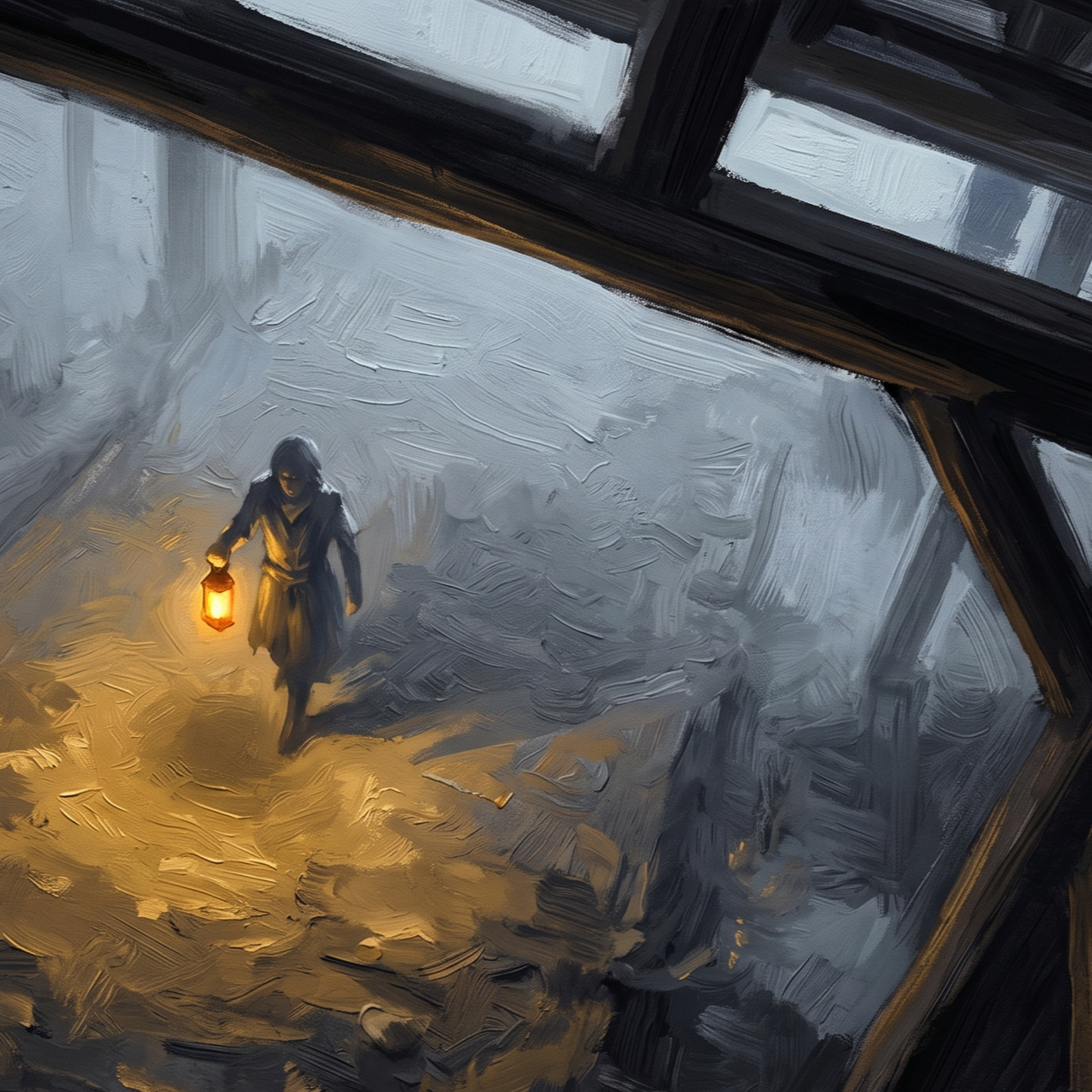
Metacognition Is All You Need: 🌁 The View from the Rafters
Learn to step out of the reactive loop and into the rafters. This deep dive examines the neurobiology of metacognition and the societal 'brain drain' designed to keep your consciousness on autopilot. Discover how to transform hyper-vigilance into a navigational superpower and start authoring a timeline that actually fits.


🕵️ Chapter 1: The Roots of Fear and Anxiety


🥹 Chapter 2: Recognising & Feeling Patterns

🏋️ Chapter 3: Reconnecting Mind & Body


🎮 Chapter 4: Technology, AI & External Support



🙏 Chapter 5: Tuning Into Intuition & A Higher Calling


📰 Chapter 6: Zooming Out to the Bigger Picture
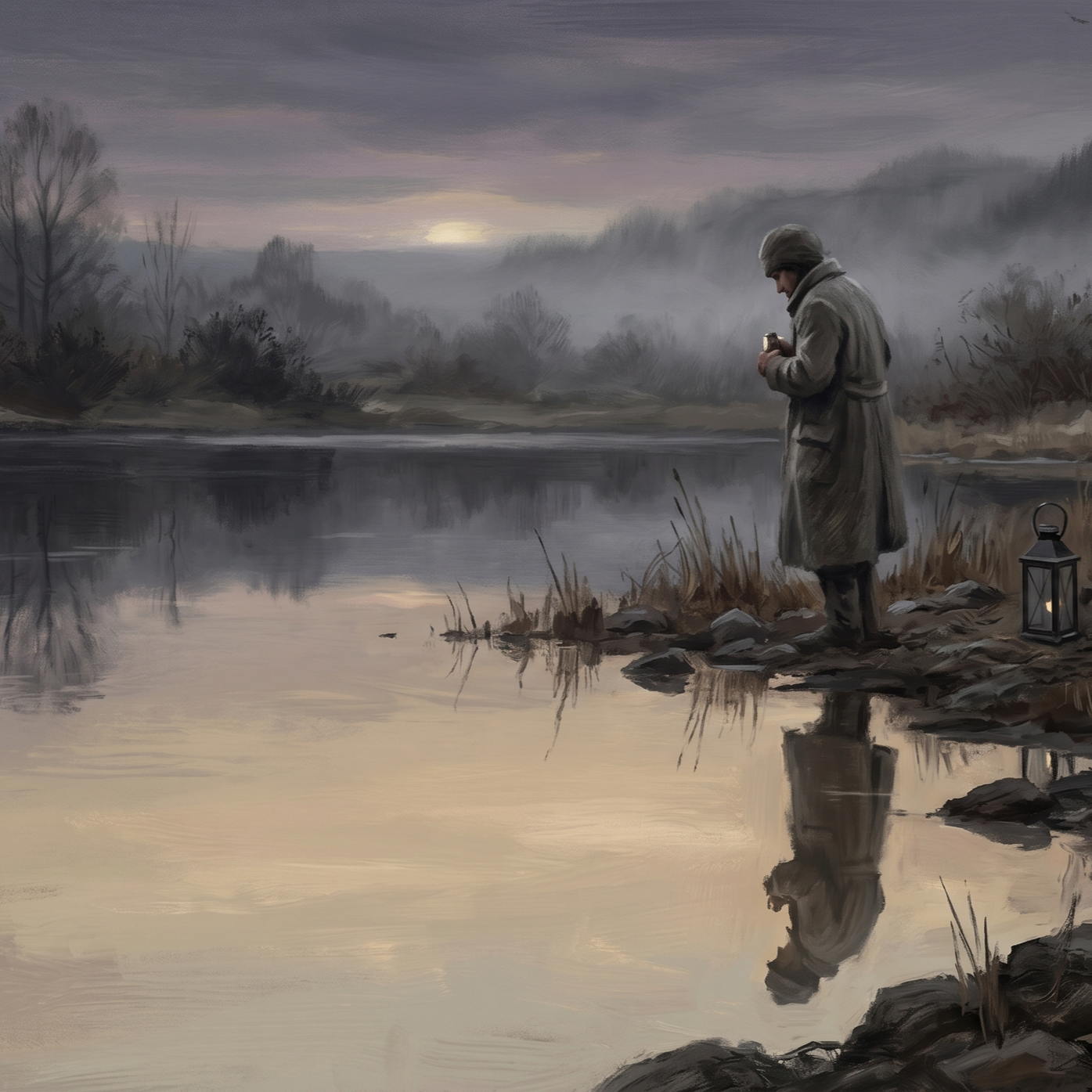


🧑🌾Chapter 7: The Creative Rebellion & Alternative Systems 🎭
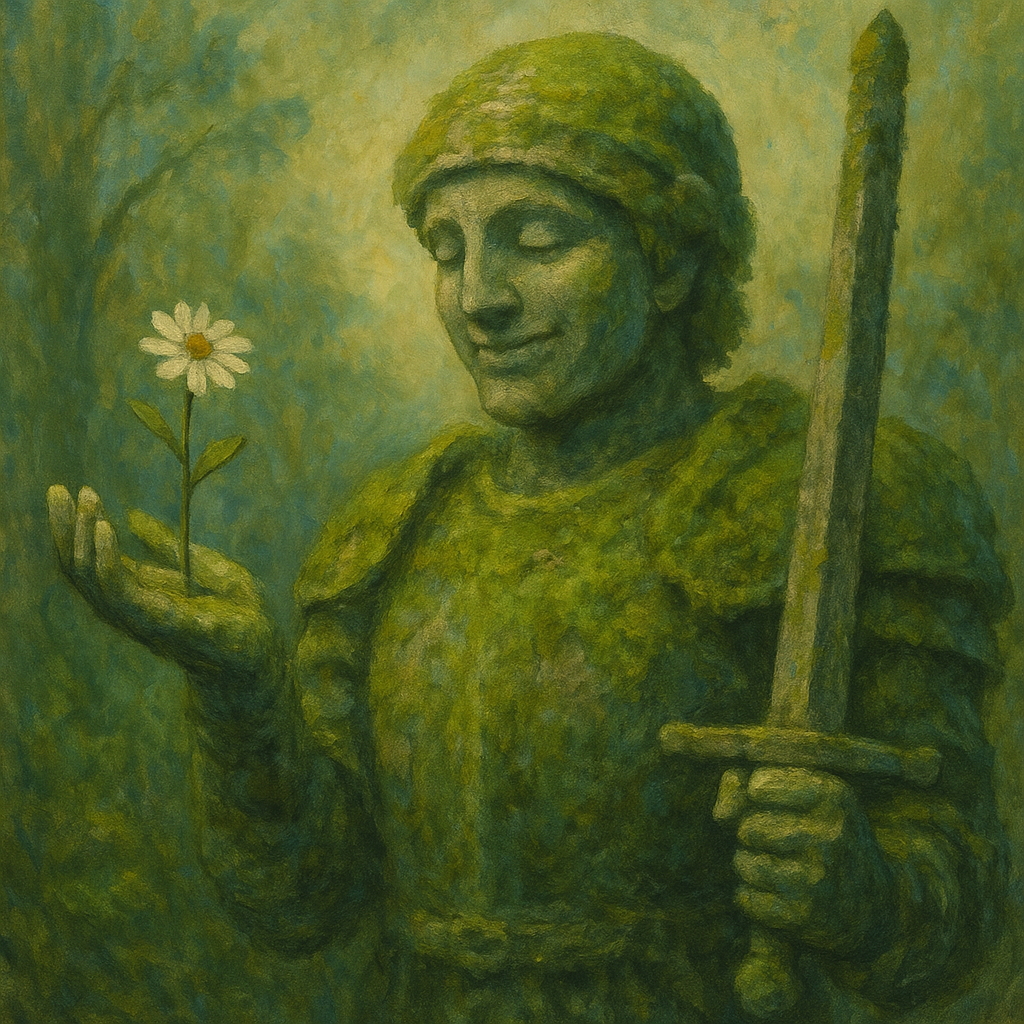


Something's already been set in motion — and this reading is here to help you figure out what to do with it. Whether you lit this fuse yourself or the universe did it for you, the energy right now is pressing. The message isn't about fear. It's about not holding onto a bomb that's already ticking.
Hi angels 🕊️
Something's already been set in motion — and this reading is here to help you figure out what to do with it. Whether you lit this fuse yourself or the universe did it for you, the energy right now is pressing. The message isn't about fear. It's about not holding onto a bomb that's already ticking.
The thread running through this one is capacity. The role you fall into. The things you do out of habit or obligation rather than genuine desire. The version of you that's always available, always holding things together — and the very real cost of staying in that position when your own energy's already running on empty.
This reading is for you if:
🧨 you've been sitting on a decision you already know you need to make
🧨 you feel like something in your life is about to change whether you're ready or not
🧨 you keep cancelling plans and telling yourself you just don't have the capacity
🧨 you fill a role — at work, in your family, in your social circle — that no one else seems to notice is draining you
🧨 you want more freedom but haven't been willing to blow anything up to get it
Themes in this reading:
⏳ rebuilding your capacity as an active practice, not a passive wish
⚡️ the relationship between your energy levels and your sense of freedom
🌀 letting go of the role you automatically fall into
🌱 the basics — sleep, food, movement, the right people — as actual foundations
💡 playfulness and whimsy as part of the healing, not a distraction from it
🔮 soulmate energy arriving more easily when your own baseline is stable
🌟 The more energy you put into yourself, the more powerful your next move becomes. Dialga's "take another turn" energy is real — you're not running out of time. You're about to gain a lot more of it back.
~
🃏 Book a Personal Reading with Nick
~
📱 Build your own Tarot Reading App (Free Course)
~
🪷 14-Day Unblock Your Life Kickstart (Free)
~~~~~
For more insight into my style of readings, the history of tarot and more - see my post below:
https://www.firesofalchemy.com/blog/tarot🃏
---
Support my work including future readings and expanding the FoA Multiverse 🤝
https://firesofalchemy.com/support
—
Disclaimer: readings are provided for entertainment and personal insight purposes. Readings are not predictions of the future. This is not medical, financial or legal advice. Always use discernment to feel intuitively if the message resonates with you, leave it behind if you're trying to make it fit your situation for too long.
~
💫 🏕️