
A living archive of Fires of Alchemy.
I spent years working inside hospitals, community health, mental health, and telehealth settings — watching people move through crisis, recovery, and reinvention. I've had my own run-ins with mental health too, so this has never been purely professional territory for me.
What I kept noticing was that the things causing the most suffering were almost entirely preventable. Not easy to change — but not mysterious either. We have decades of solid research into why people fall into certain patterns, and increasingly good evidence on how to move through them.
The Scrolls are where that knowledge lives. Neuroscience, psychology, lived experience — the research layer and the practised layer, held together. It's the same body of knowledge that underpins the tarot work, the courses, and everything else Fires of Alchemy produces.
Begin wherever you feel pulled. 📜
— Nick 🔥
Recent Posts:

Upon That Which the Algorithms Feast 🍽️
There's a particular kind of apathy the modern media diet produces — and research suggests it isn't accidental. Studies show that heavy media consumption measurably distorts perception of the world as more dangerous than it actually is, and that consuming six or more hours of news coverage following a traumatic event produces higher acute stress than being physically present at the scene. This post maps why disturbing content, doom scrolling, and algorithmically-curated feeds cost more than most people realise — then goes further. There are two algorithms running your life: the one on your phone, and the older one running underneath your conscious thought. This covers both, and what you can actually do about either one.
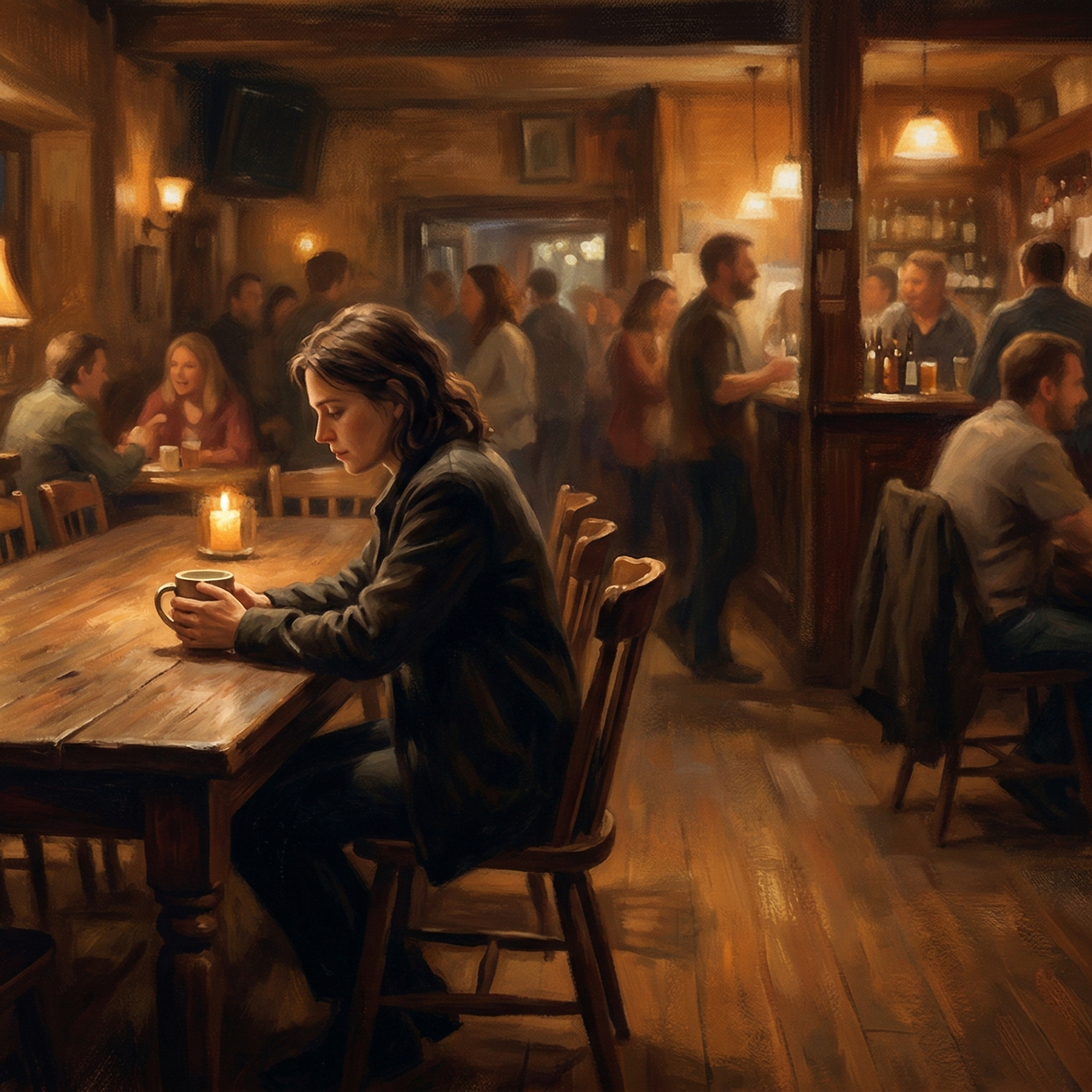
The Harvard Study That Changed How We Think About Loneliness
In 1938, Harvard researchers began following the lives of hundreds of people across eight decades — tracking their health, their choices, and what made them thrive. What the data kept insisting on, despite every expectation, was relationships. Not wealth, not status, not cholesterol levels at midlife — relationships. This post unpacks what that finding actually means, why loneliness now carries a mortality risk comparable to smoking, and what it looks like to audit the connections in your own life with genuine honesty.
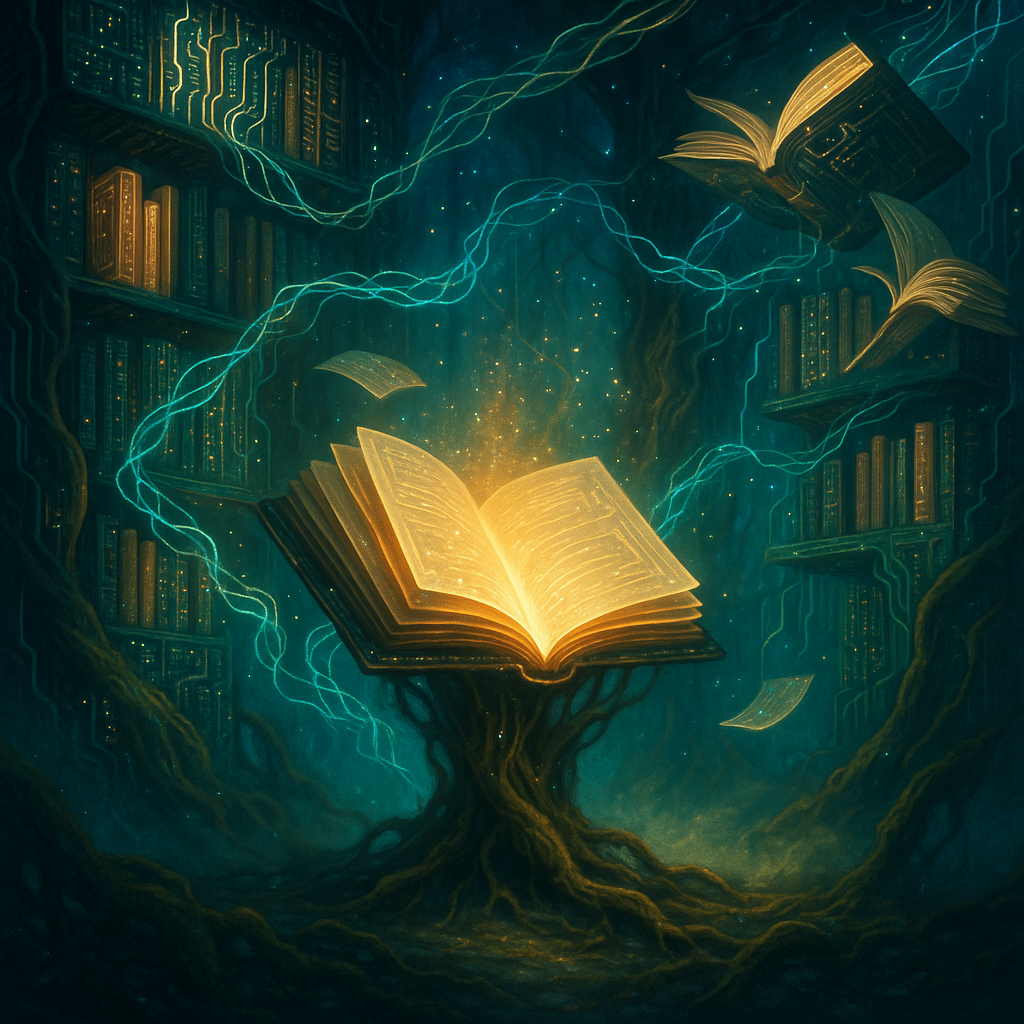
Open Source, Open Future
Open source tools aren’t just for coders—they power much of the modern world and can give you real choice in how you work and create. From private file syncing with Nextcloud to building apps and games with Godot, recording with OBS, blocking ads with Pi‑hole, and even running your own AI models, open source means freedom and shared innovation.
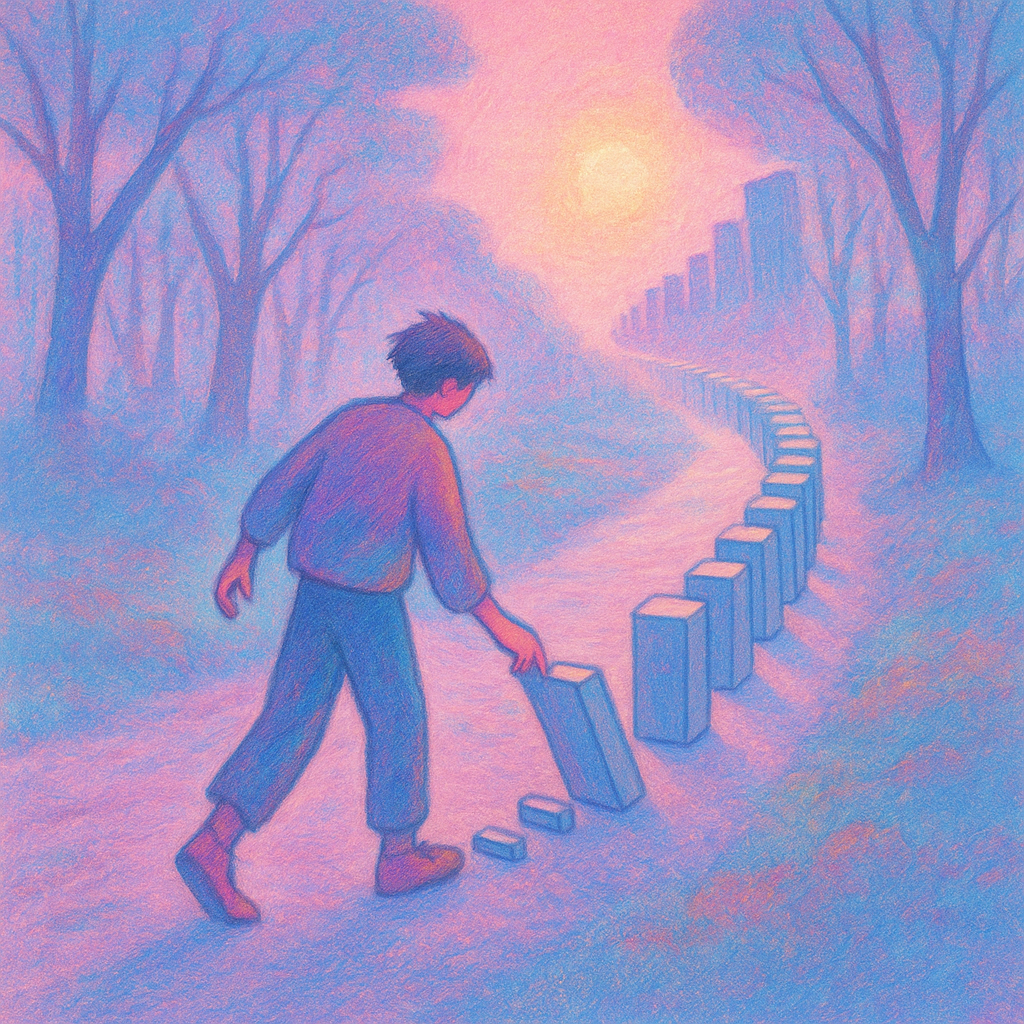
🤯 Use Novelty To Rewire Your Brain and Restore Your Fire
What if the reason you’re feeling stuck isn’t because something’s wrong with you—but because your brain hasn’t felt newness in a while? In this post, I explore how depression, boredom, and repetition are all linked through neuroplasticity—and how adding tiny moments of novelty can help shift your perception, stretch time, and remind you that you’re still alive and choosing. Trying something new every day helped save my life. Maybe it could help you too.


🕵️ Chapter 1: The Roots of Fear and Anxiety

🥹 Chapter 2: Recognising & Feeling Patterns


🏋️ Chapter 3: Reconnecting Mind & Body


🎮 Chapter 4: Technology, AI & External Support

🙏 Chapter 5: Tuning Into Intuition & A Higher Calling



📰 Chapter 6: Zooming Out to the Bigger Picture


🧑🌾Chapter 7: The Creative Rebellion & Alternative Systems 🎭

There's a message that's been trying to reach you. You've felt it. Your angels, your ancestors, whatever guides you — they've been saying the same thing for a while now. Yet somewhere along the way, you swam the other direction. This reading is about what happens when you stop running from your own knowing and actually let yourself focus.
Hi angels 🕊️
There's a message that's been trying to reach you. You've felt it. Your angels, your ancestors, whatever guides you — they've been saying the same thing for a while now. Yet somewhere along the way, you swam the other direction.
This reading is about what happens when you stop running from your own knowing and actually let yourself focus. Not in a punishing way — more like: you've been spreading yourself across a lot of open tabs, and it's costing you more than you think to keep them in active memory.
This reading is for you if:
⚡ You have a long list of things you "should" be doing but none of them are moving
🌊 You've been going with the flow so long you've lost your sense of direction
🐋 You know what the next step is — you just haven't taken it yet
🌀 You keep starting things and stalling before they're finished
🌱 You've been in receive mode for a while and something in you is ready to build
Themes in this reading:
🐳 Focus and the misuse of your power
🐳 Indecision as a slow energy drain
🐳 The "should" loop — and how to finally close it
🐳 Inspiration vs execution — you've got enough of the first one
🐳 Leaning back into structure after a season of flow
🐳 Divine guidance you've been deferring on
~
🃏 Book a Personal Reading with Nick
~
📱 Build your own Tarot Reading App (Free Course)
~
🪷 14-Day Unblock Your Life Kickstart (Free)
~~~~~
For more insight into my style of readings, the history of tarot and more - see my post below:
https://www.firesofalchemy.com/blog/tarot🃏
---
Support my work including future readings and expanding the FoA Multiverse 🤝
https://firesofalchemy.com/support
—
Disclaimer: readings are provided for entertainment and personal insight purposes. Readings are not predictions of the future. This is not medical, financial or legal advice. Always use discernment to feel intuitively if the message resonates with you, leave it behind if you're trying to make it fit your situation for too long.
~
💫 🏕️